LionLift / Care for every journey
Planned lift servicing for the equipment your building depends on. Bring routine maintenance, repair priorities and service coverage into one clear conversation with LionLift.
Residential buildings · Offices · Hotels · Commercial properties
01 / The right kind of care
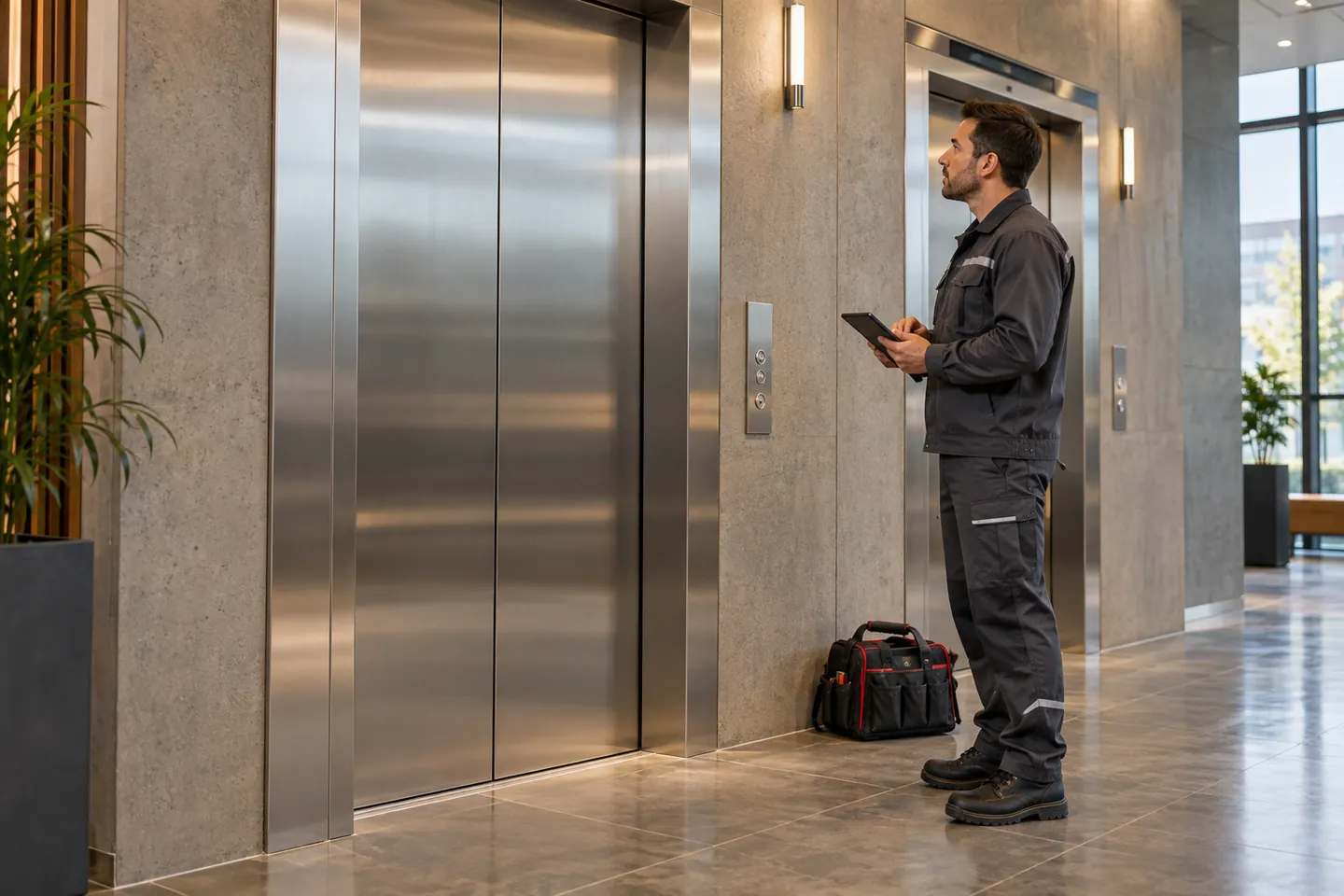
A building owner needs more than a list of service visits. You need to understand what is being maintained, which issues need attention and how work will be coordinated around the people using your building.
Scheduled checks and appropriate servicing to identify deterioration and address wear. The plan follows the equipment, its condition and the manufacturer's maintenance instructions.
Investigation and repair of a fault that has already occurred. Agree the diagnosis, proposed work and approval process, including whether parts and labour fall within your contract.
When recurring faults or obsolete components make repair decisions difficult, discuss upgrade options alongside ongoing maintenance. A major replacement needs its own assessment and scope.
02 / What gets attention
A planned visit focuses on the systems fitted to your lift. The following areas help define the service brief; the actual checklist and work depend on the equipment and agreed contract.
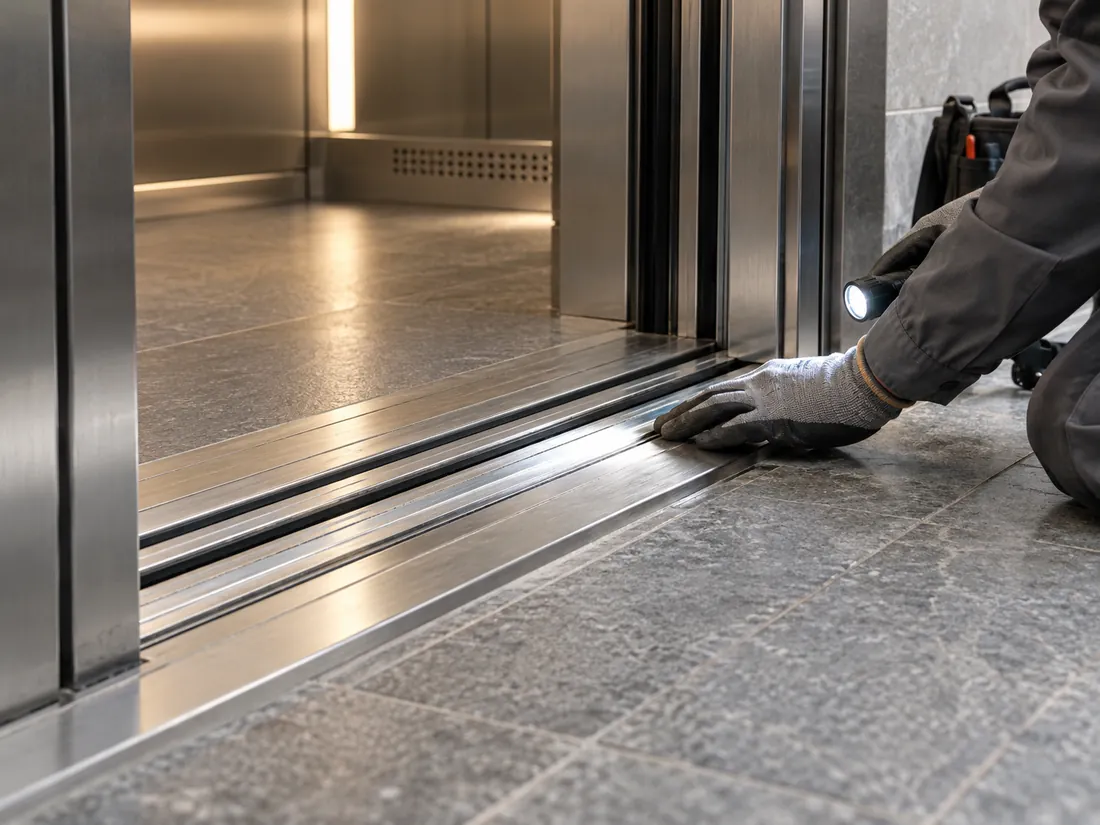
Door operation, protective devices and interlocks, with attention to wear, alignment and the condition of accessible door tracks.
Starting, stopping and landing behaviour, including changes in ride quality that should be investigated rather than treated as normal operation.
The applicable traction or hydraulic equipment, suspension components and braking arrangements, serviced in line with the manufacturer's instructions.
Relevant controller indications and reported faults, considered alongside recent stoppages and the building's service records.
Applicable cabin functions, lighting, alarm and communication equipment. Report issues so they can be assessed within the agreed service scope.
Appropriate cleaning, lubrication and adjustments, plus a record of findings and any further work requiring approval.
Routine servicing and any legally required independent examination or inspection are separate activities. Confirm the inspection arrangements that apply to your building and location.
03 / A considered schedule
There is no single visit frequency that suits every elevator. Manufacturer guidance, usage, age, condition and the operating environment should inform the schedule. Ask for the reason behind the proposed interval.
Agree suitable access times and review the plan if usage or equipment condition changes.
04 / Know your coverage
Compare the scope of a proposal before comparing the price. Use these points to agree what you are buying and where additional approval or cost may be needed.
05 / When something changes
Give your service contact a clear description of what happened, which lift was involved and when. Repeated patterns are particularly useful when investigating intermittent problems.
06 / A quote you can compare
The useful question is what the price covers for your particular lift. A basic servicing proposal and a contract with broader repair coverage can have very different inclusions.
Tell us the lift type, manufacturer, approximate age, number of lifts and floors served. Add the building's usage pattern, recent faults and the coverage you want to discuss. Parts availability and any outstanding work should be considered when assessing a proposal.
Ask for planned maintenance, breakdown attendance and separately quoted work to be identified clearly, rather than assuming a single price covers everything.
Share your current agreement, recent service records and available inspection reports. Explain unresolved faults and your preferred handover date so the review starts with a clear picture of the installation.
Before ending an existing contract, check its notice terms and agree how documents, access and service responsibilities will transfer.
Discuss your maintenance requirements07 / Start with your building
Send the building location, equipment details, current service arrangements and any faults you want to discuss.
Discuss the available records, whether a site assessment is needed and the coverage suitable for your installation.
Confirm visit arrangements, responsibilities, reporting and response terms in the proposal before service begins.
08 / Common questions
A few practical answers for owners, property managers and facilities teams comparing lift servicing options.
These terms are commonly used for planned care of the same equipment. When comparing providers, look beyond the service name and check the visit schedule, tasks, repair coverage and exclusions in each proposal.
Monthly visits may be appropriate for some installations, but they are not a universal schedule. The interval should reflect the equipment's instructions, usage and condition. Ask your provider to explain how the proposed plan fits your lift.
No. Routine servicing and any separately required independent inspection or thorough examination serve different purposes. Confirm which examinations apply locally, who arranges them and whether attendance or follow-up work is included in the contract.
That depends on the agreement. Ask which call-outs, labour and components are covered, which require a separate quotation and whether additional charges apply outside the agreed service hours.
Send LionLift the manufacturer, model, approximate age and available documentation. Compatibility, access to technical information and parts availability need to be checked before coverage for a particular installation can be confirmed.
Ask about the arrangements available for your building location and equipment. Confirm covered hours, contact details, attendance terms and passenger entrapment procedures in writing; do not assume they are included in a routine service agreement.
Start with the site address, number of lifts, manufacturer, lift type and floors served. Include recent service or inspection records if available, known faults, building operating hours and your preferred scope of coverage.
Raise the question when repeated faults, component availability or changing building requirements make ongoing repairs harder to plan. An equipment review can help you compare continued maintenance, targeted upgrades and a wider replacement project.
LionLift / Let's talk about your building
Share your equipment details and maintenance requirements. We'll discuss the next steps, service availability and the scope to be confirmed for your building.